By Meredith Colburn Real Estate
Staging a home in Birmingham, Michigan, is one of the smartest moves you can make before listing. This is a market where buyers have strong opinions, high expectations, and plenty of options, which means the way your home looks and feels during a tour can directly influence how quickly it sells and the price you achieve. Buyers walking through a beautifully staged Birmingham home aren't just imagining the furniture; they're picturing their lives there. That emotional connection is what drives offers.
The good news is that staging doesn't require a complete overhaul. In many cases, the most impactful changes come from editing what's already there, repositioning what you own, and adding a few intentional touches that give every room a polished, purposeful feel. Whether your home leans traditional, modern, or somewhere in between, the goal is the same: present a version of the space that feels open, inviting, and move-in ready.
Key Takeaways
- Decluttering and depersonalizing are the most impactful first steps in staging any Birmingham home.
- Strategic furniture placement can make rooms feel more spacious and help buyers understand how to use each room and feature.
- Curb appeal sets the tone before buyers ever step through the front door.
- Lighting updates are one of the fastest ways to elevate the look of any room.
- Small investments in staging consistently lead to more confident offers and shorter time on market.
Start With a Ruthless Edit
Before you rearrange a single piece of furniture or add a fresh vase of flowers, start by removing items you don’t need for staging. Cluttered rooms make buyers anxious. When shelves are overloaded, countertops are covered, and closets are packed to the brim, the message buyers receive is that the home doesn't have enough space, even if it does. The goal of this first phase is to create breathing room throughout every area of the house.
Walk through each room and ask yourself whether each item serves a purpose in the staging process. Personal photos, collections, knick-knacks, and heavily personalized décor should be packed away or stored. This isn't about erasing who you are; it's about allowing buyers to see themselves in the space. A more neutral environment helps buyers project their own vision onto the home rather than processing someone else's.
Closets and storage spaces deserve extra attention because buyers will open them. A closet that's half full signals abundant storage. One that's bursting with boxes and coats signals the opposite. If you need to rent a storage unit for a few weeks while your home is on the market in Birmingham, it's one of the most straightforward investments you can make toward a successful sale.
What To Edit First
- Personal photographs and portraits displayed throughout the home.
- Excess furniture that crowds traffic paths or makes rooms feel smaller than they are.
- Countertop appliances, mail piles, and everyday items that clutter kitchens and bathrooms.
- Seasonal décor that may feel dated or mismatched with current conditions.
- Overstuffed bookshelves, toy bins, and storage areas visible to buyers during the tour.
Rethink Your Furniture Layout
Once the editing is done, look at your furniture with fresh eyes. Many homeowners arrange rooms around the television, around their daily habits, or simply in the configuration they've always used. But staging requires you to think about how a buyer will experience the room during a brief walkthrough, not how you live in it day to day.
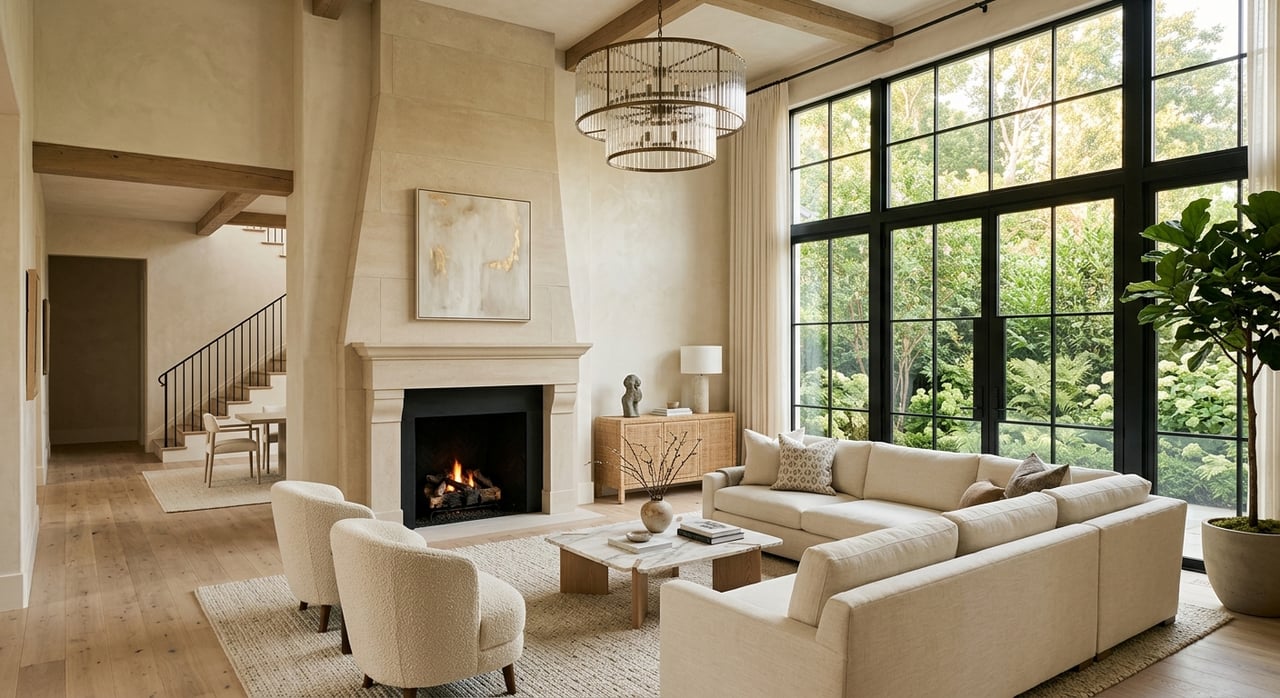
In living rooms, floating the furniture away from the walls and creating a clear conversation area tends to make spaces feel inviting and intentional. In bedrooms, the bed should be centered on the main wall with nightstands on both sides; symmetry gives a calm, hotel-like feel that resonates with buyers. Dining rooms should have enough space to comfortably walk around the table, so if your set is oversized for the room, consider removing a leaf or temporarily swapping in a smaller table.
Traffic flow matters in Birmingham open houses, where multiple buyers may tour the home in a short window. If buyers are weaving around furniture or feeling cramped in hallways and doorways, it creates discomfort that's hard to shake. Every path through the home should feel natural and unobstructed.
Furniture Staging Principles by Room
- In the living room, group seating to face each other rather than facing the television.
- In the primary bedroom, add matching lamps and clean bedding in a neutral palette to create a restful atmosphere.
- In the dining room, set the table simply with a centerpiece to help buyers visualize the space in use.
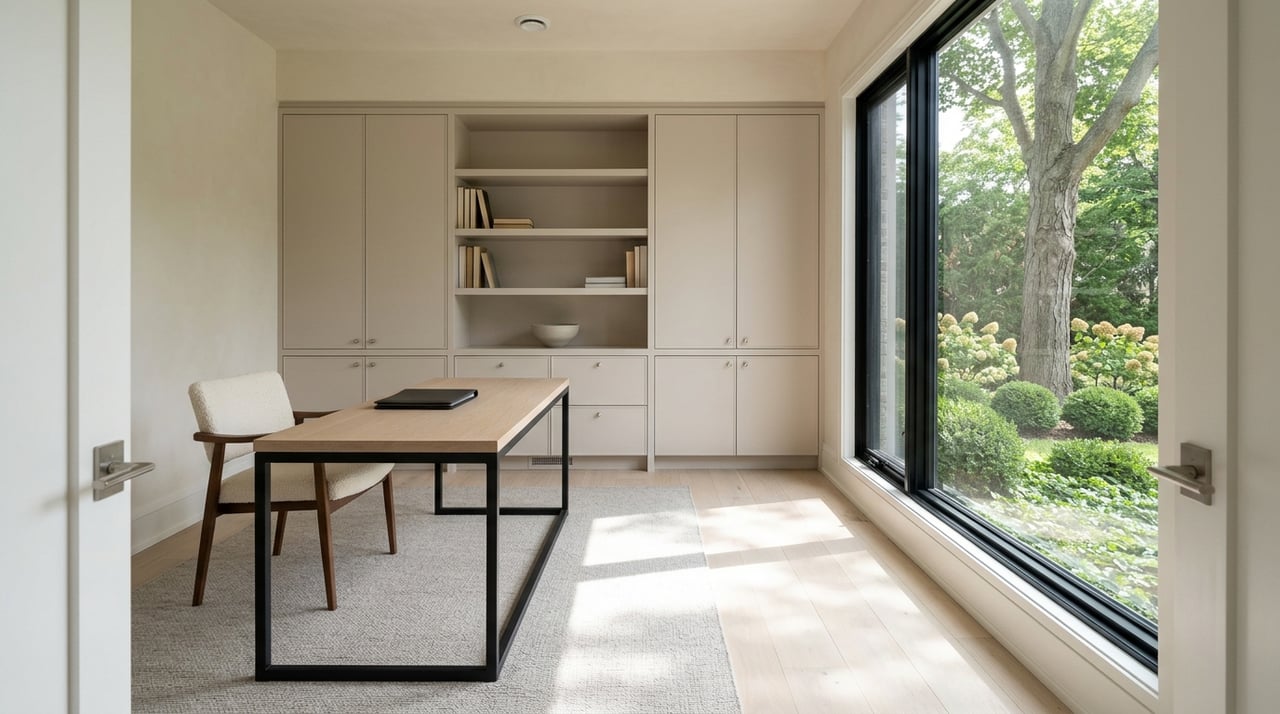
- In home offices, clear the desk of personal papers and add one or two organized accessories to signal productivity.
- In bathrooms, remove all personal toiletries from the counters and replace with a small tray of neutral, spa-style items.
Give Every Surface a Moment
In a well-staged home, every surface tells a story. Countertops, mantels, shelves, and entryway tables each have an opportunity to contribute to the overall feeling of the home. In Birmingham homes, where buyers tend to appreciate quality materials and thoughtful design, the details matter.
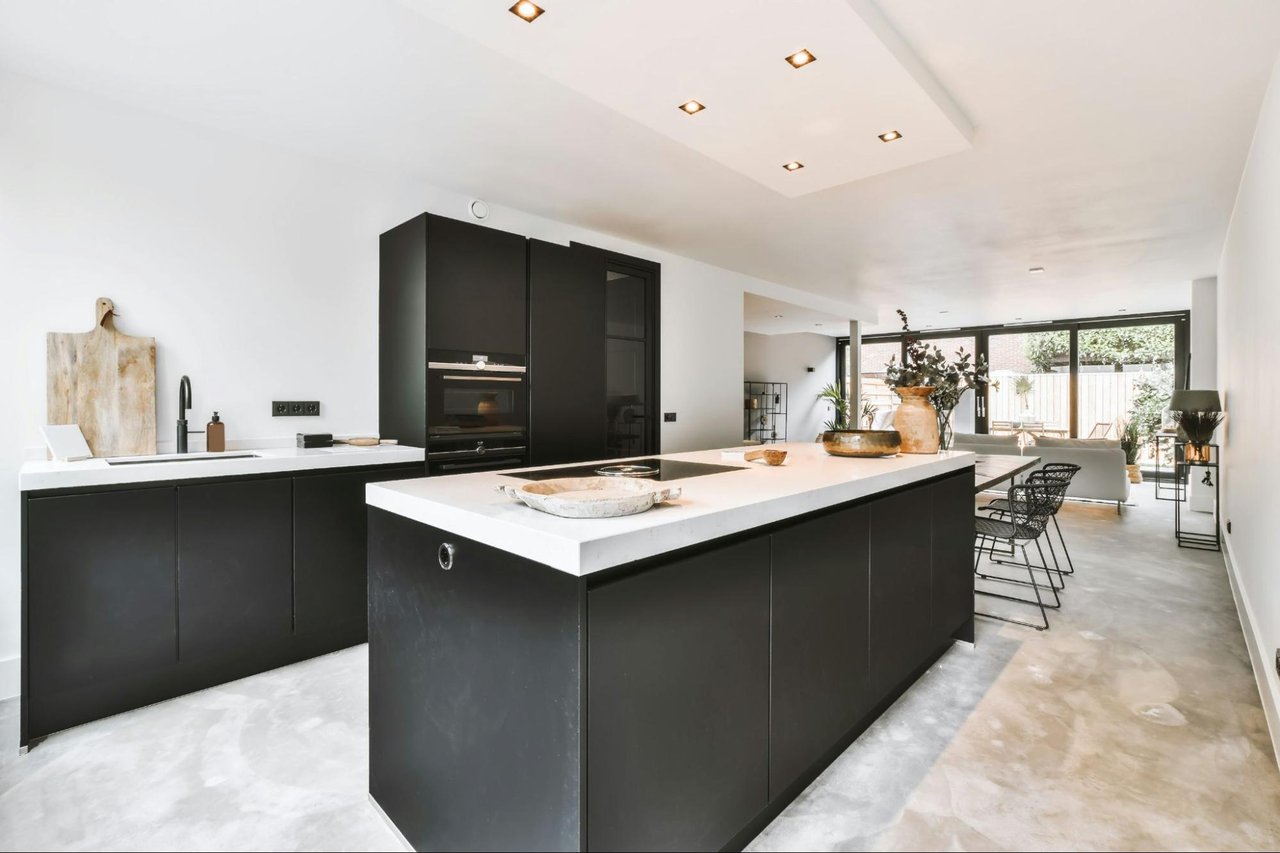
The kitchen is often the deciding room in a property tour. Clear the countertops entirely, then add back two or three curated items: a bowl of fresh fruit, a simple cutting board, or a small plant. Less is almost always more in a kitchen staging context. The same principle applies to bathrooms, where a folded hand towel, a candle, and a clean soap dispenser can transform a basic vanity into something that feels intentional.
Mantels and built-ins benefit from the rule of three: group items in odd numbers, vary the height, and lean something against the wall for dimension. Fresh flowers or greenery in key rooms, such as the entryway, kitchen, and primary bedroom, add life and color without overwhelming the space.
Surfaces That Buyers Notice Most
- Kitchen countertops, which should be as clear as possible with just a few styled items.
- The entryway console or table, which sets the tone for the entire tour.
- Bathroom vanities, where simplicity reads as clean and well-maintained.
- The fireplace mantel, which anchors a living room and draws the eye.
- Window sills, which should be cleared of clutter to let in natural light.
Upgrade the Lighting
Lighting is one of the most underestimated staging tools available to Birmingham home sellers. Buyers respond well to bright, warm spaces, and a home that feels dark or unevenly lit will feel smaller and less inviting, regardless of how well it's staged in other respects.
Start by replacing any burned-out bulbs throughout the home, and while you're at it, consider switching to warm white bulbs in the 2700K to 3000K range. This color temperature flatters most interiors and makes spaces feel welcoming rather than clinical. In rooms where overhead lighting is harsh or limited, add floor lamps or table lamps to layer the light and create warmth.
Window treatments are part of the lighting equation. Heavy drapes that block natural light should be swapped out or pulled all the way back during showings. In Birmingham, where natural light can feel especially precious during the colder months, maximizing every window is a notable advantage. Clean windows, sheer panels, and clear sills make a dramatic difference in how bright and open the home feels during a tour.
Lighting Updates Worth Making Before Listing
- Replace all bulbs with warm white options throughout the home.
- Add floor or table lamps in rooms that feel dark or shadowy.
- Pull back window treatments fully during all showings and open houses.
- Clean windows inside and out to maximize natural light transmission.
- Consider updating dated light fixtures in the kitchen or primary bathroom, as these have an outsized impact on buyer perception.
FAQs
Should I Stage Every Room in My Birmingham Home?
Focus your energy on the rooms that matter most to buyers: the living room, kitchen, primary bedroom, and primary bathroom. These are the spaces that influence decisions most directly. Secondary bedrooms, basements, and utility areas matter less, though they should still be clean, organized, and free of clutter.
Is Staging Worth It in a Seller's Market?
Yes. Even in a competitive market, staged homes tend to sell faster and for more money than unstaged ones. Buyers are still comparing multiple properties, and presentation influences perception regardless of market conditions. Staging is a consistent investment that improves outcomes across market cycles.
What's the Most Common Staging Mistake Sellers Make?
The most common mistake is leaving too much personal stuff in the home. Buyers find it difficult to imagine themselves in a space that feels heavily inhabited by someone else. Removing personal photographs, clearing out excess furniture, and depersonalizing the décor frees buyers to emotionally connect with the property.
How Far in Advance Should I Start Staging Before Listing?
Ideally, start the staging process two to four weeks before your planned listing date. This gives you time to declutter gradually, address any repairs that affect presentation, make small upgrades, and complete professional photography once everything is in place.
Your Home Deserves a Standout First Impression
Staging a home well is part preparation, part strategy, and part knowing which details buyers in this market actually care about. In Birmingham, Michigan, where buyers are discerning and the competition for attention is real, a thoughtfully staged home signals that the property has been well-maintained and is ready for its next chapter.
Our team at Meredith Colburn Real Estate has guided Birmingham sellers through the staging and listing process countless times, and we know what resonates with buyers in this market. If you're preparing to list your Birmingham home for sale and want guidance on where to focus your energy, we'd love to connect. Reach out to our team today to get started.