Is your Bloomfield Hills estate ready for today’s buyers, or just ready to be listed? That is an important difference in a market where presentation, timing, and local process can shape how your home is perceived from the very first photo. If you are preparing a long-held property for sale, this guide will help you focus on what matters most before your listing goes live. Let’s dive in.
Understand the Bloomfield Hills buyer mindset
Bloomfield Hills has a distinct identity. The city describes itself as a primarily residential community known for quiet surroundings, wooded lots, privacy, and stately homes, with a strong focus on preserving natural features and community character.
That context matters when you prepare an estate for market. Buyers are not only evaluating square footage and finishes. They are also responding to setting, landscape, scale, privacy, and how well the property feels cared for as a complete estate.
Current market data also suggests that pricing and pace require nuance. Public housing trackers show different numbers, but they point in a similar direction: Bloomfield Hills homes are generally trading around the high six figures to about the $1 million range, with sale-to-list ratios near 99% and varying timelines depending on the source.
For you as a seller, the takeaway is simple. Serious buyers are active, but they are also selective. A polished, well-prepared home has a better chance to stand out.
Start with interior editing
If you have lived in your home for many years, chances are it holds layers of memory, furniture, collections, and design choices that reflect your life there. That is normal, especially because national seller data suggests many owners sell after a long period of ownership.
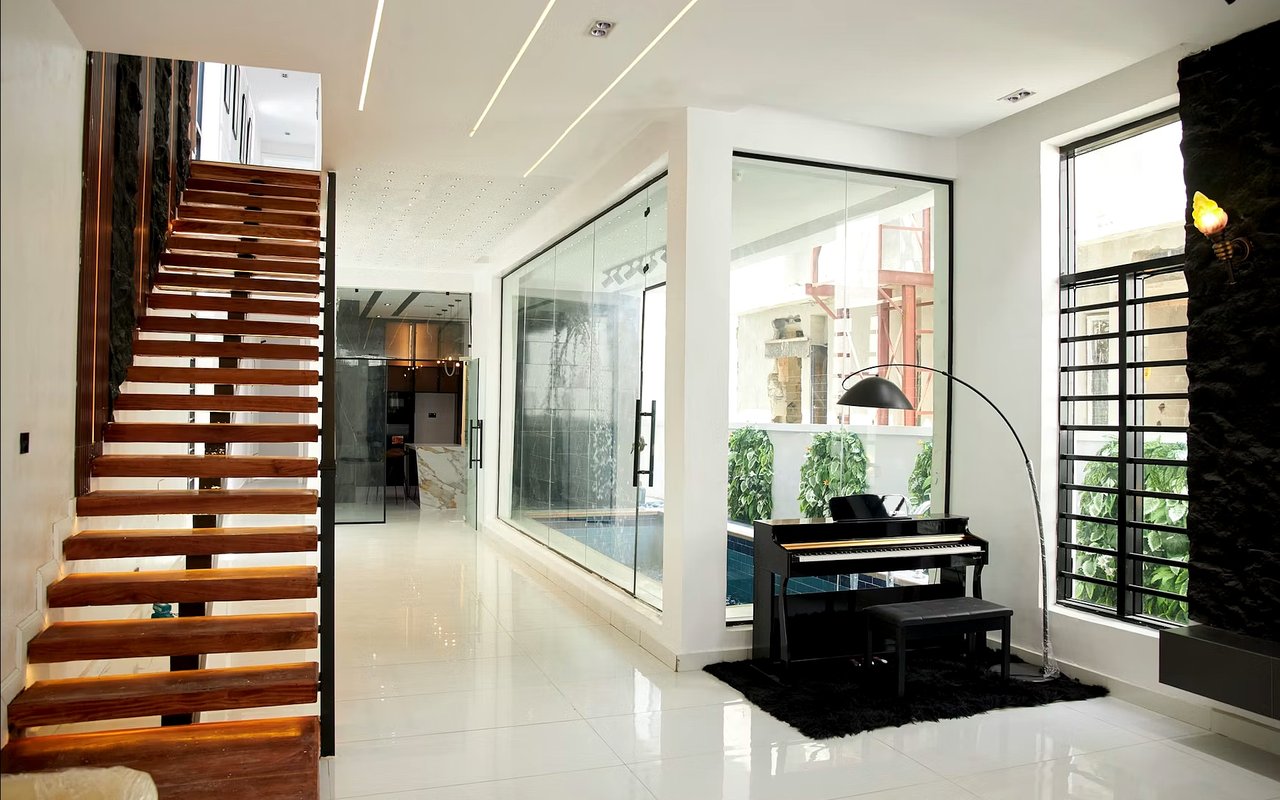
Before anything else, focus on editing the home. The goal is not to strip away personality. It is to reduce distractions so buyers can better see the architecture, room proportions, natural light, and flow.
NAR guidance on staging emphasizes decluttering, neutral presentation, and helping buyers picture themselves in the space. That matters even more in an estate setting, where oversized rooms can feel either elegant or overwhelming depending on how they are furnished and styled.
Remove visual noise
Walk through the home with fresh eyes and look for anything that makes rooms feel crowded or overly personal. In many estates, this includes large furniture groupings, heavy drapery, too many accessories, framed personal photos, and closets packed beyond capacity.
A cleaner visual field helps buyers notice what you want them to notice. Think ceiling height, custom millwork, window lines, fireplaces, views, and room-to-room flow.
Focus on the most important rooms
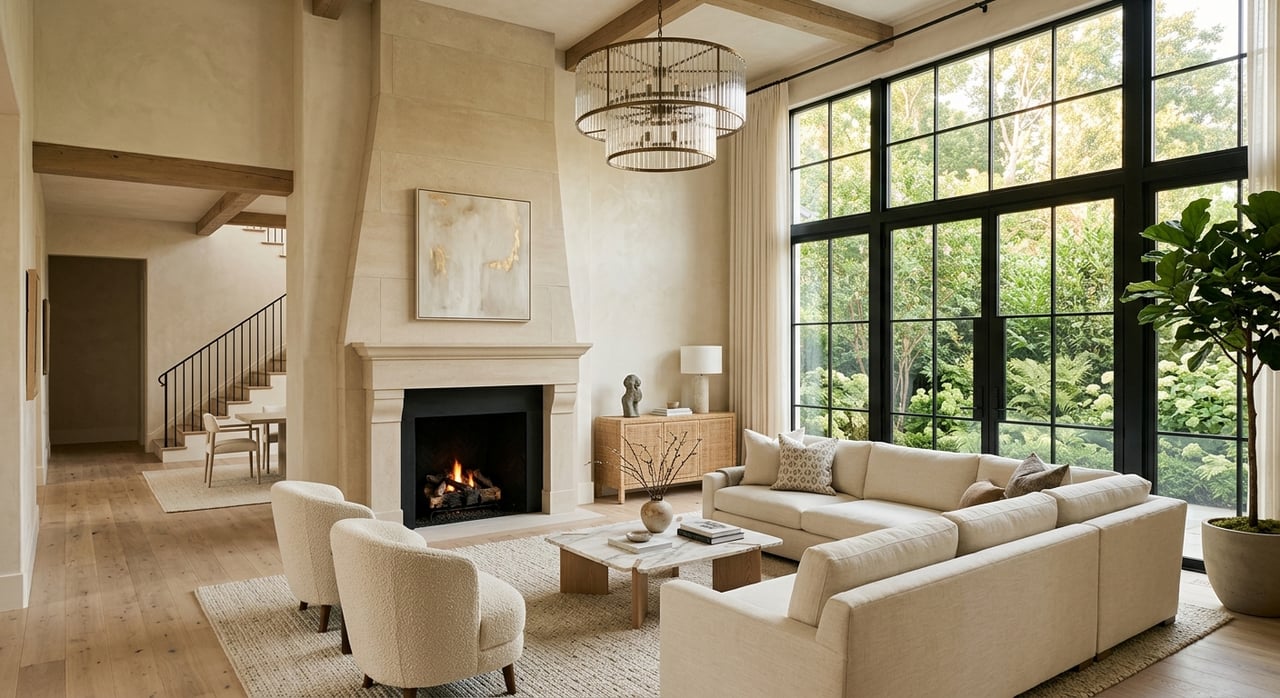
According to NAR, the living room, primary bedroom, and kitchen are among the most important spaces to stage. Dining rooms also matter and are commonly staged.
In Bloomfield Hills, that often means giving extra attention to formal living areas, large kitchens, and primary suites. These rooms frequently carry the emotional and functional weight of the home, both online and in person.
Use a neutral, finished look
NAR’s staging guidance recommends packing away personal items, using neutral paint where needed, removing bulky furniture, keeping closets about half full, and adding fresh bedding and towels. Cleanliness is also essential.
That does not mean making your home feel generic. It means creating a calm backdrop so buyers can connect with the property instead of getting stuck on someone else’s style.
Make cleanliness non-negotiable
Luxury buyers notice details quickly. Dust on trim, hard water marks, worn grout, and cloudy glass can quietly change how a home feels, even when the layout and location are strong.
Deep cleaning should happen before photos, video, and showings. Pay special attention to kitchens, baths, windows, floors, light fixtures, and entry areas.
If the home is vacant, cleanliness still needs to feel active and current. Empty homes can spotlight flaws more easily, so condition and presentation become even more important.
Prioritize curb appeal early
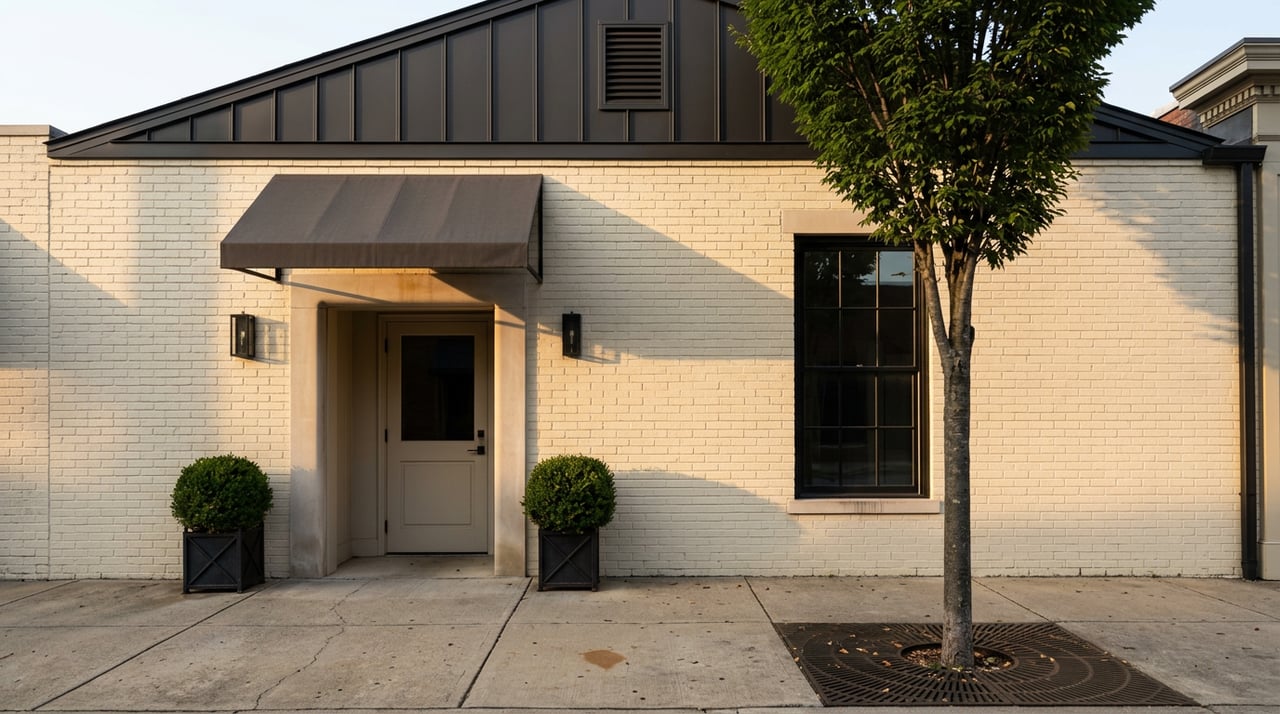
In Bloomfield Hills, exterior presentation is not a finishing touch. It is a core part of value.
NAR research on outdoor features found that 92% of REALTORS® recommend improving curb appeal before listing, and nearly all believe curb appeal matters to attracting buyers. The same research found strong resale value for landscape upgrades and maintenance.
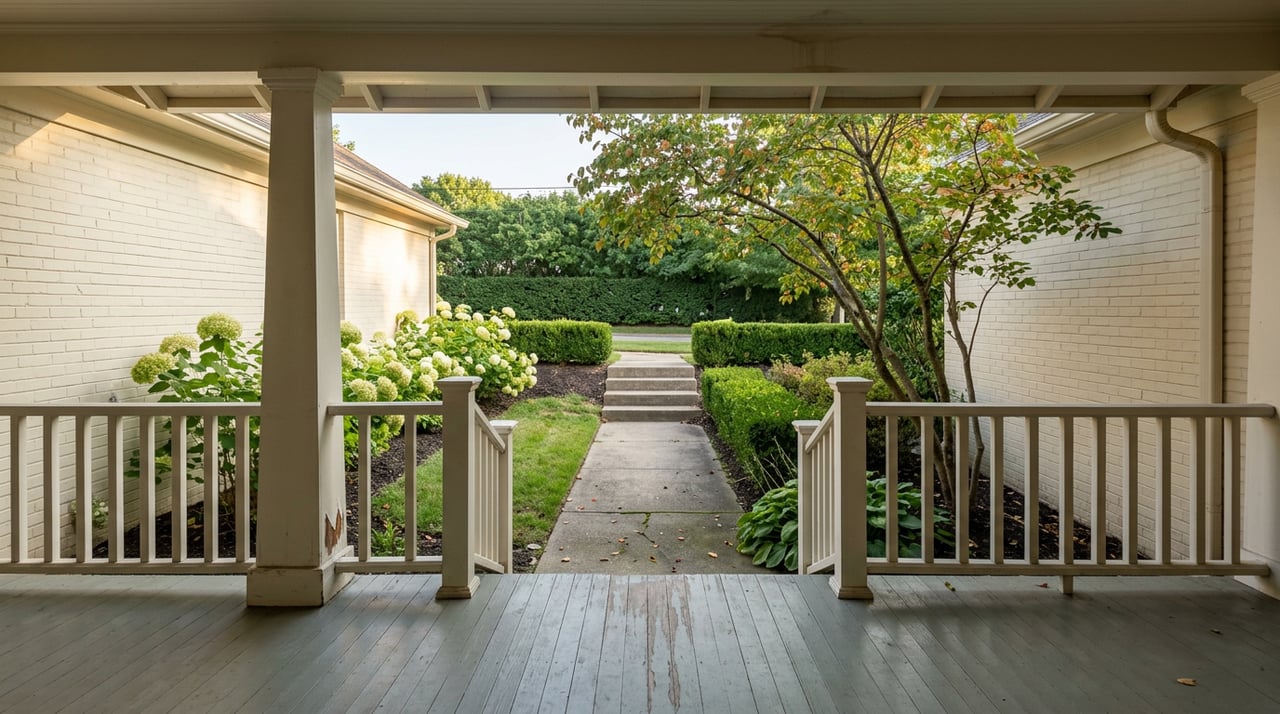
For an estate property, that means your grounds should feel intentional, maintained, and in sync with the home. Mature trees, privacy screening, lawn condition, driveway edges, entry sequence, and seasonal color all contribute to the first impression.
Treat landscaping as both beauty and compliance
Bloomfield Hills code enforcement rules make upkeep a practical requirement. The city states that weeds, grass, and other vegetation may not exceed seven inches on average, and even vacant homes must remain properly landscaped and maintained.
The city also notes that homes pending sale still require regular mowing, pruning, watering, and removal of trimmings. If your home will be listed during a move-out period, this is especially important.
Plan tree work carefully
Tree work in Bloomfield Hills is not something to schedule casually. The city states that tree removal plans must be reviewed before work begins, permits are required for regulated trees, and removed trees may need replacement in some cases.
There are also restrictions involving wetlands, including a 25-foot wetland setback where construction, landscaping, or brush or tree removal may require approval. On heavily wooded estate lots, this can affect your prep timeline more than you might expect.
Because mature trees are part of the area’s identity and appeal, thoughtful planning matters. If exterior improvements are part of your listing strategy, start those conversations early.
Verify permits before updating
Many sellers assume they can freshen an estate with a few quick projects before listing. In Bloomfield Hills, that approach can create problems if you do not check local requirements first.
The city’s permit resources show that many common pre-sale projects may involve formal review. Depending on the scope, this can include tree permits, grading and landscape flatwork, renovation work, roofing, siding, windows and doors, fences, walls, gates, and other site or structure changes.
Ask permit questions first
Before contractors begin work, confirm whether your project needs approval. This is especially important if the improvement affects exterior appearance, drainage, accessory structures, setbacks, or site lines.
The city’s planning and zoning framework also governs the location, size, and height of buildings, garages, and additions. If you are considering anything beyond cosmetic updates, proper review should come first.
Build time into your prep calendar
Estate preparation often takes longer than owners expect. Between contractor scheduling, landscape timing, city review, and final styling, the process can stretch if you start too late.
A smart prep plan usually follows this order:
- Walk the property and identify needed repairs, editing, and landscape work.
- Confirm any permit or planning requirements with the city.
- Schedule contractors and landscape vendors.
- Complete interior editing and deep cleaning.
- Finish exterior presentation.
- Stage key rooms.
- Capture photography, video, and virtual tours.
This sequence helps protect both presentation quality and timing.
Prepare the home for media
Today’s buyers usually meet your home online first. That means photos and video are not just marketing tools. They are often the first showing.
NAR notes that buyers’ agents view photos, physical staging, video, and virtual tours as important. A home that is clean, decluttered, and visually balanced tends to connect more clearly both online and in person.
Stage before you shoot
Do not schedule media too early. If the landscaping is unfinished, furniture is still being edited, or repair items remain visible, the final materials may undersell the property.
For a Bloomfield Hills estate, media should showcase room scale, natural light, architectural detail, and the relationship between the home and its grounds. That only works when the entire property feels ready at once.
Do not overlook ownership and tax details
Preparing an estate for sale is not only about how it looks. It is also about making sure ownership records and tax filings reflect the home’s current use.
Michigan guidance states that a Request to Rescind Principal Residence Exemption must be filed within 90 days after a property is no longer used as the owner’s principal residence. The state also notes that additional taxes, penalties, and interest may apply if a required filing is missed.
For some estate situations involving a deceased owner, the state notes that an estate may file a claim in certain circumstances. If your property status has changed, it is wise to review these details early rather than after the listing is active.
What today’s market rewards
A successful Bloomfield Hills estate sale usually comes down to a few disciplined choices. Edit the interiors so the home reads clearly. Treat curb appeal as essential. Verify permits before work begins. Finish the full presentation before photos are taken.
In a market like Bloomfield Hills, buyers often respond to homes that feel both gracious and move-in ready. When a property’s character, setting, and condition are all working together, you give your home the best chance to make a strong impression.
If you are preparing a Bloomfield Hills estate and want experienced, high-touch guidance on positioning, presentation, and timing, connect with Meredith Colburn.
FAQs
What should you fix before listing a Bloomfield Hills estate?
- Focus first on cleanliness, decluttering, paint touch-ups, landscape maintenance, and any visible repair issues that affect first impressions, photos, or showings.
Do you need permits for pre-sale work in Bloomfield Hills?
- In many cases, yes. Bloomfield Hills requires review or permits for a range of projects, including certain tree work, renovations, roofing, windows, doors, grading, fences, walls, and other exterior changes.
Which rooms matter most when staging a large estate home?
- NAR identifies the living room, primary bedroom, and kitchen as top staging priorities, with the dining room also commonly staged.
How important is landscaping when selling a Bloomfield Hills home?
- Landscaping is highly important because buyers notice curb appeal immediately, and Bloomfield Hills also requires ongoing exterior maintenance, even for vacant or pending-sale homes.
When should you schedule photography for a Bloomfield Hills listing?
- Schedule photography only after interior editing, cleaning, staging, and exterior work are complete so the home presents consistently across every image and showing.