If you are drawn to the idea of coffee by the water, evening boat rides, or a backyard view that changes with the seasons, West Bloomfield can be especially appealing. Waterfront living here offers more than a scenic setting. It is part of everyday suburban life, with lakes, parks, trails, and recreation woven into the community. Before you buy or sell a waterfront home in West Bloomfield, it helps to understand what makes this market unique, what tradeoffs come with shoreline ownership, and what details deserve a closer look. Let’s dive in.
West Bloomfield’s Waterfront Identity
West Bloomfield stands out in Oakland County for how much water shapes the township. According to Oakland County land-use data, about 3,421.8 acres, or 17.1% of the township, are water. At the same time, 45.5% of the land is used for single-family residential housing, which shows that this is still very much a suburban community rather than a resort destination.
That combination is what makes waterfront living here so distinctive. You are not choosing a remote getaway. You are choosing a Metro Detroit location where lakes are built into daily routines, neighborhood views, and weekend plans.
What Daily Life Looks Like
One of the biggest draws of waterfront living in West Bloomfield is how naturally outdoor activity fits into your week. On Michigan inland lakes, common activities include boating, fishing, swimming, canoeing, and kayaking. In West Bloomfield, those activities are supported by local parks and public spaces that make the water feel accessible and active.
West Bloomfield Parks oversees 12 parks and nearly 600 acres of public parkland. That park system adds an important layer to waterfront life because it gives you more than private shoreline. It creates options for trails, launches, open space, and seasonal events throughout the township.
Parks Add to the Lifestyle
Marshbank Park is a strong example of how the community connects residents to the water. Located along Cass Lake, it includes a canoe and kayak launch, a fishing pier, and hosts public programming like summer concerts, children’s concerts, family campout nights, and seasonal events.
That means waterfront living in West Bloomfield is not only about what happens on your own property. It is also about being close to a community with built-in ways to enjoy the lakes throughout the year.
Trails Keep the Area Active
The West Bloomfield Trail adds another dimension to waterfront living. This 6.8-mile, 64-acre linear park connects West Bloomfield, Orchard Lake, Keego Harbor, and Sylvan Lake, giving you scenic overlooks, benches, bike repair stations, restrooms, fishing access, and a canoe and kayak launch.
It also supports year-round use. In warmer months, it offers easy access to walking, biking, and lake views. In colder months, nearby natural areas and trail spaces help support routines like cross-country skiing, which can make waterfront living feel active even after boating season ends.
Nature Is Part of the Appeal
West Bloomfield Woods Nature Preserve adds even more outdoor value. The preserve spans 162 acres of wetlands and woods and is home to more than 100 bird species. If you want a setting that feels connected to nature without leaving the suburbs, this is part of what makes the area attractive.
Pine Lake Park also reflects the township’s continued investment in recreation near the water. The 21-acre park includes trails, a playground, courts, and ball fields, with a five-year improvement plan that began in 2026.
What Waterfront Homes Look Like
A common misconception is that waterfront homes all follow one formula. In West Bloomfield, they do not. This market includes a broad mix of home types, lot sizes, and shoreline settings.
Current listing portal data in the research report showed between 21 and 32 waterfront homes available within West Bloomfield’s residential boundaries, depending on the portal. That points to a niche segment, not a large-volume category. Inventory tends to be limited, and the homes that do come available can vary widely in size, age, and style.
You Will See a Wide Range
Examples in the research report included homes around 1,950 square feet, 4,252 square feet, and 7,782 square feet. That kind of spread tells you something important. Waterfront in West Bloomfield is not one product type aimed at one kind of buyer.
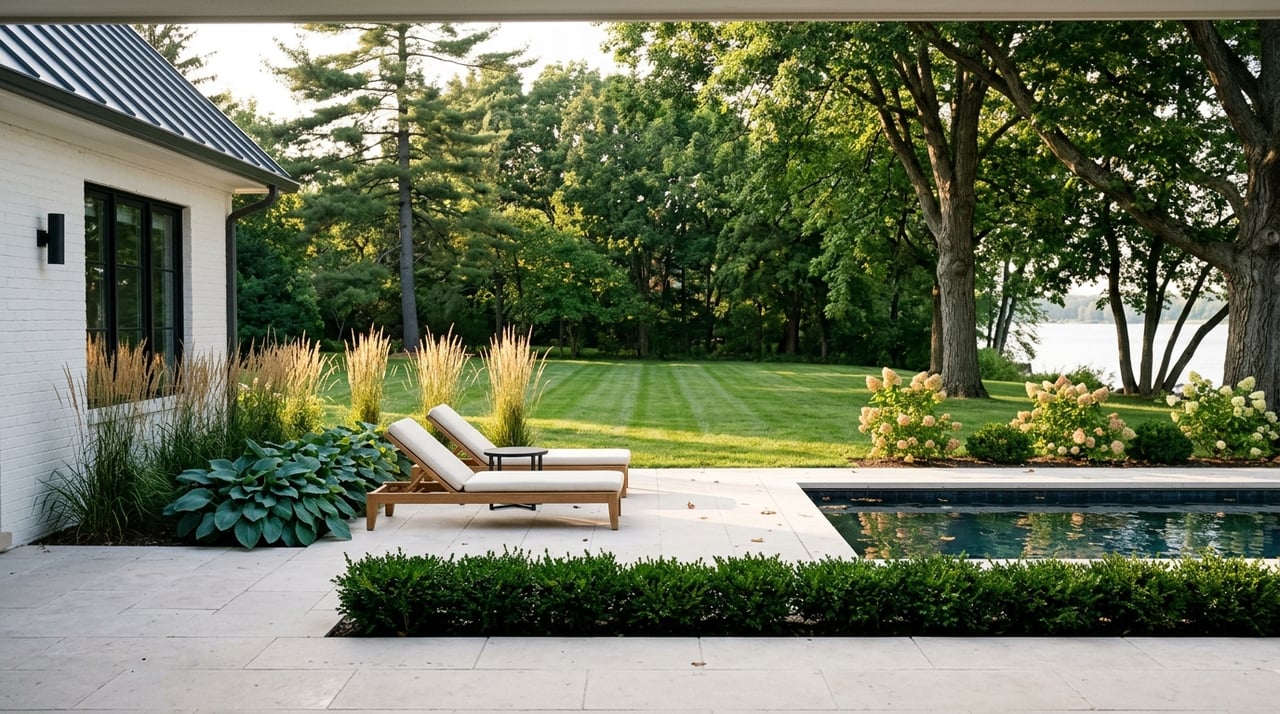
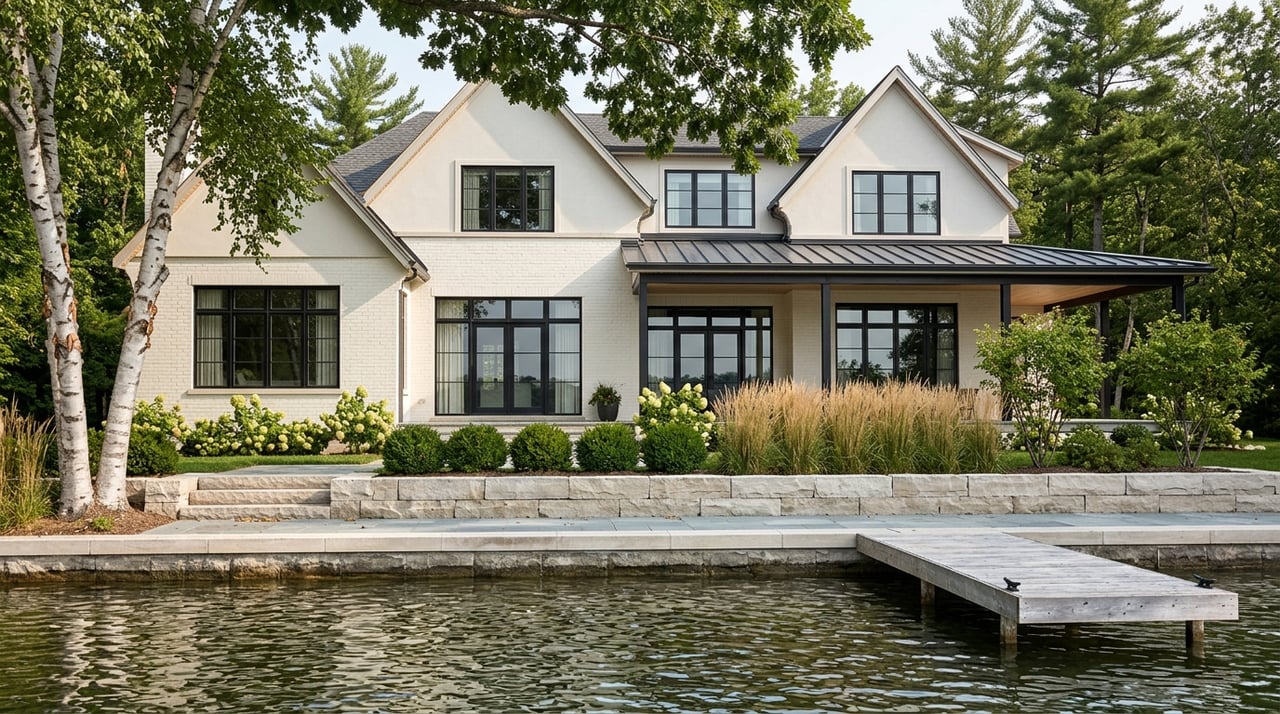
You may come across older cottages, updated colonials, custom lakefront properties, homes with direct water frontage, and homes with water access rather than full lakefront positioning. Some properties may feel very private and estate-like, while others trade lot size for location and views.
Lot Size Can Vary Too
Waterfront parcels also come in a range of sizes. The research report noted examples from about 0.27 acres to 3.0 acres. Some may be buildable lots, while others may offer substantial frontage or a different kind of shoreline setup.
This matters because buyers sometimes focus first on interior square footage. On waterfront property, frontage, shoreline shape, orientation, and water access can be just as important as the home itself.
Why Frontage Matters So Much
In West Bloomfield, a smaller lot with strong water frontage can feel more valuable than a larger inland lot. That is because the waterfront experience often depends on how you interact with the shoreline. A property with useful frontage, appealing views, and private docking potential may offer a very different lifestyle from a home with more yard but less direct connection to the water.
This is one of the core tradeoffs in the local market. Some buyers are happy to give up a larger backyard for direct access to the lake. Others may prefer a more traditional suburban lot and choose water access or a nearby lake setting instead.
The Maintenance Side of Waterfront Ownership
Waterfront homes can be beautiful and rewarding, but they usually ask more of you than an inland property. Shoreline ownership brings a different level of upkeep, planning, and due diligence.
Michigan EGLE states that permits under Part 301 of the Natural Resources and Environmental Protection Act are required for projects on inland lakes and streams. Its guidance also notes that permanent docks or boat hoists on inland lakes require permits, along with many shoreline protection and in-water projects.
Water Levels and Shoreline Conditions Matter
High-water conditions can affect groundwater, stream levels, and lake levels. For homeowners, that can influence erosion, seawalls, and low-lying improvements near the shore.
This is why a waterfront showing should go beyond the kitchen and primary suite. You also want to understand how the property has responded to water conditions over time and what future maintenance may look like.
Landscaping Is Not Just Cosmetic
The Michigan DNR notes that shoreline choices affect habitat and water quality. That means erosion control, planting decisions, and shoreline treatments are not only visual issues. They can also affect how the property functions and how well the shoreline holds up over time.
For buyers, this is a reminder that the outdoor areas of a waterfront property deserve the same level of attention as the home’s interior systems and finishes.
Questions To Ask Before You Buy
If you are considering a waterfront home in West Bloomfield, careful due diligence is essential. The right questions can help you understand both the opportunity and the responsibility that come with the property.
Here are a few important points to review:
- Is the dock permitted?
- Are there setback requirements or lake board restrictions?
- Is the shoreline natural, reinforced, or in need of repair?
- Has the property experienced high-water impacts?
- What ongoing maintenance is needed for the shoreline or waterfront improvements?
- How does the lot balance yard space, privacy, frontage, and water access?
These details can shape your experience just as much as the home’s layout or finishes. In many cases, they can also affect long-term value and ease of ownership.
Boating Rules Are Part of Ownership
If your waterfront goals include boating or personal watercraft use, it is worth understanding the basics of Michigan’s boating rules. The Michigan DNR states that boaters born after June 30, 1996, and most personal watercraft operators must have a boating safety certificate.
The DNR also recommends life jackets, sober boating, and following navigation and lookout rules. In a place like West Bloomfield, these are not small details. They are part of what makes waterfront ownership work safely and smoothly from season to season.
What Sellers Should Know
If you own a waterfront home in West Bloomfield, your property likely appeals to buyers looking for a very specific lifestyle. That means presentation and positioning matter. Buyers will notice views, frontage, shoreline condition, outdoor living areas, and how easily they can imagine using the property.
Clear information also helps build confidence. If permits, shoreline improvements, dock details, or maintenance records are available, those materials can support a more informed and smoother sale process. In a niche market, thoughtful preparation can make a meaningful difference.
The Bottom Line on Waterfront Living
Waterfront living in West Bloomfield is best understood as suburban lake living with strong everyday appeal. You get the benefit of a Metro Detroit location, a lake-centered identity, and access to parks, trails, paddling, fishing, and seasonal outdoor recreation.
At the same time, waterfront ownership comes with added complexity. Limited inventory, varied property types, shoreline maintenance, permits, and water-level considerations all play a role. If you understand those factors from the start, you can make a more confident decision and choose a property that truly fits how you want to live.
If you are thinking about buying or selling a waterfront home in West Bloomfield, working with a local expert can help you evaluate the details that matter most. For tailored guidance and a polished, highly personal approach, connect with Meredith Colburn.
FAQs
What makes waterfront living in West Bloomfield different from other lake areas?
- West Bloomfield offers suburban lake living rather than a resort setting, with 17.1% of the township made up of water while still maintaining a strong single-family residential footprint.
What kinds of waterfront homes are available in West Bloomfield?
- The market includes a mix of older cottages, updated homes, custom lakefront properties, buildable parcels, and some homes with water access rather than direct lake frontage.
What should buyers review before purchasing a West Bloomfield waterfront home?
- Buyers should review dock permits, shoreline condition, setback or lake board restrictions, possible high-water impacts, and ongoing shoreline maintenance needs.
What outdoor amenities support waterfront living in West Bloomfield?
- West Bloomfield offers 12 parks, nearly 600 acres of parkland, the 6.8-mile West Bloomfield Trail, nature preserve space, fishing access, and canoe and kayak launch points.
What boating rules should waterfront buyers know in West Bloomfield?
- Michigan DNR guidance says boaters born after June 30, 1996, and most personal watercraft operators must have a boating safety certificate, and it recommends life jackets, sober boating, and safe navigation practices.