Historic homes in Birmingham, Michigan, carry a distinct character that reflects architectural traditions and the craftsmanship of the past. Decorating such a home requires a thoughtful approach that honors these original features while ensuring the space feels inviting and functional for modern life. Homeowners must balance preservation with personalization, carefully selecting colors, furnishings, and materials that respect the home’s heritage. By blending old-world charm with contemporary conveniences, it is possible to create interiors that are both timeless and comfortable. This guide unveils practical strategies for decorating a historic home.
Recognize and Preserve Key Architectural Features
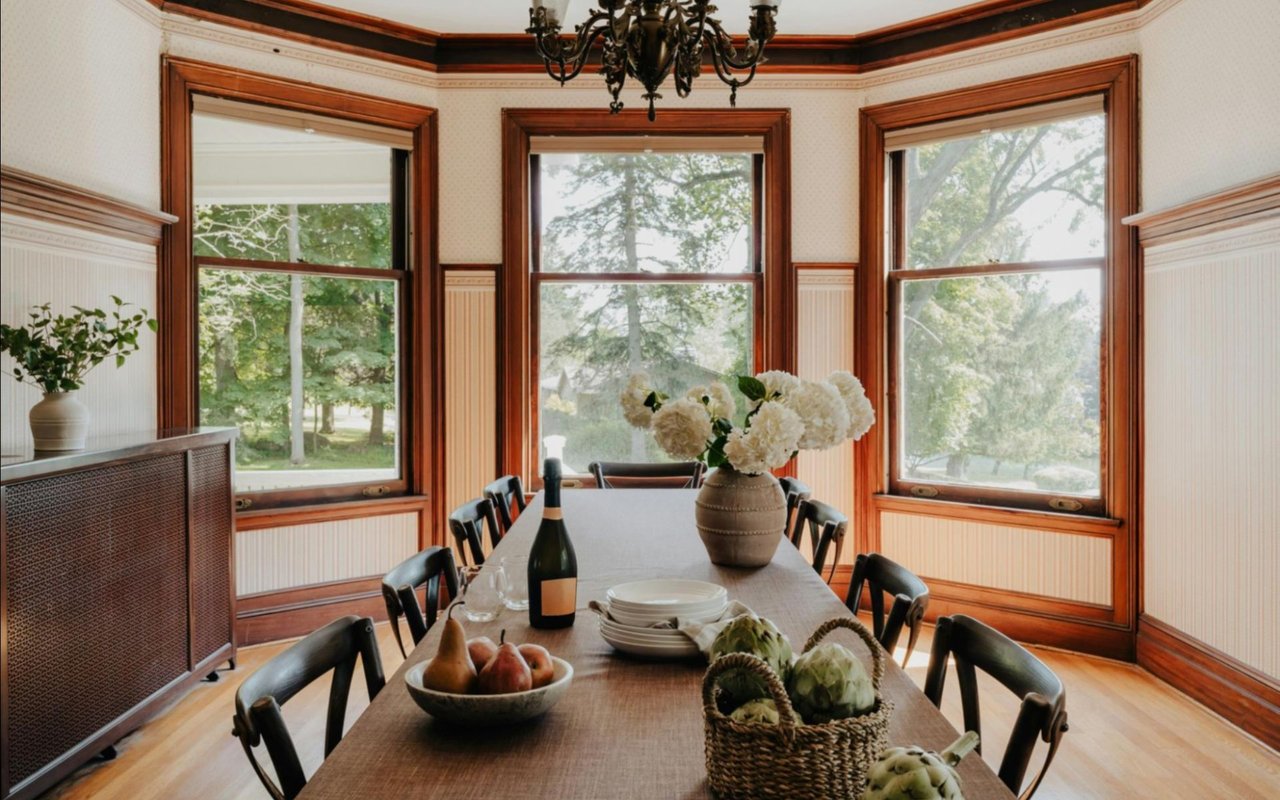
Identifying and preserving the defining architectural elements of a historic home is essential. Features like original fireplaces, mantels, staircases, intricate moldings, paneling, and hardwood floors provide character that cannot be replicated. Preserving these details helps maintain the home’s authenticity and ensures that decorative choices complement rather than overshadow the original design. Even small details, such as built-in cabinetry, transoms, or vintage hardware, contribute to the overall historic charm. Thoughtful care and restoration can highlight these elements, creating a space that feels rooted in its past while allowing for modern design elements to be added seamlessly.
Choose a Period-Sensitive Color Palette
Color selection greatly influences the feeling of an interior space, particularly in historic homes. Period-appropriate palettes can enhance a home’s character while complementing architectural details. For example, Victorian-era homes often pair well with rich tones like deep reds, forest greens, or warm golds, while earlier or simpler homes may be best suited to soft neutrals or muted earth shades. Subtle adjustments can modernize the space without losing authenticity, helping walls, trim, and furnishings to work in harmony. A carefully chosen palette ensures cohesion and elevates the historic charm, while maintaining warmth and livability that makes the home feel inviting to residents and guests.
Furnish with Antiques and Thoughtful Reproductions
Furnishings play a key role in reinforcing a historic home’s character. Antique pieces or faithful reproductions can reflect the home’s original style, from Colonial-Revival to Craftsman influences. When original furniture is unavailable, selecting contemporary items that respect scale, materials, and overall tone allows for functionality without compromising historical charm. A modern sofa might pair beautifully with a vintage rug, or contemporary lighting may accentuate original woodwork. The key is balance: mixing old and new carefully ensures a comfortable, livable home while emphasizing the period details that make historic properties unique. Thoughtful curation can make each room feel intentional and elegant.
Integrate Modern Amenities Discreetly
Updating a historic home to accommodate modern conveniences requires subtlety. Kitchens, bathrooms, and HVAC systems must meet contemporary standards, but should not overwhelm or alter defining architectural elements. Thoughtful placement and design can incorporate these amenities seamlessly, preserving the home’s integrity. For instance, appliances can be concealed with cabinetry that complements the period style, while lighting, plumbing, and wiring updates can be discreetly integrated to maintain aesthetics. Modern features should enhance comfort and functionality without detracting from the home’s historic identity, allowing residents to enjoy a space that is both practical and visually harmonious with the original design.
Use Quality, Timeless Materials
Selecting durable, classic materials ensures that a historic home remains elegant and cohesive. Natural woods, stone, metals, and wool textiles harmonize with the original craftsmanship and age gracefully over time. When updates or replacements are necessary, materials should reflect the period style, such as wide-plank hardwood floors or period-appropriate tiles. Rugs, fabrics, and finishes should complement existing architectural elements without competing for attention. By investing in quality materials and avoiding fleeting trends, homeowners reinforce the home’s character while creating a timeless aesthetic. Each choice should feel intentional, helping to preserve the charm and historical significance that make the property unique.
Highlight Architectural Details and Avoid Over-Renovation
Historic homes contain features that modern houses often lack, such as crown moldings, unique window shapes, plaster walls, or built-in shelving. Decorating should emphasize these details rather than conceal them. Heavy or modern treatments can obscure original elements, so lighter curtains, shutters, or minimal window treatments are preferred. Over-renovation can erase a home’s identity, so interior changes should be minimal and complementary. Thoughtful placement of furnishings, lighting, and décor can highlight craftsmanship while ensuring modern comfort. Preserving spatial relationships and maintaining visibility of original features allows homeowners to enjoy a space that feels both authentic and welcoming, striking a balance between history and livability.
Maintain Respect for Proportions and Spatial Relationships
Preserving the original layout and room proportions is crucial for maintaining a historic home’s character. Avoid altering spatial relationships with dropped ceilings, subdivided rooms, or intrusive walls that obscure the original design. Hallways, parlors, and vestibules should retain their scale to reflect the home’s architectural integrity. Interior decoration should work within these proportions, allowing furniture, lighting, and décor to enhance rather than detract from the space. Respecting the home’s flow helps preserve both functionality and historic authenticity, allowing each room to feel naturally balanced and welcoming. Thoughtful spatial planning ensures that the home’s design story is honored throughout.
Find Your Next Home in Birmingham Today
Owning a home in Birmingham means more than having a place to live, it’s an opportunity to invest in a community with history, charm, and character. Whether you’re looking for a historic property full of architectural details or a modern home with thoughtful design, the right guidance makes all the difference. Contact the Meredith Colburn Team today to explore available listings, gain insight into the local market, and find a home that suits your lifestyle.
*Header photo courtesy of Unsplash